

World’s Best Honey 2025: The Ultimate Guide to the Best Honey in the World
What does it take to be called the world’s best honey in 2025? It’s no longer just marketing hype – it’s a global quest for pure, exceptional honey that delivers unmatched taste, proven health benefits, and total authenticity. With rising health awareness (especially here in Pakistan) about processed foods and fake sweeteners, more people than ever are searching for the best honey in the world (or dunya ka behtareen shehad) that truly deserves the title.
Regular supermarket honey is often heated, over-filtered, or even mixed with cheap syrups. raw honey, on the other hand, is minimally processed and retains its natural enzymes, pollen, and antibacterial properties. But the world’s best honey goes far beyond just “raw.” It comes from rare floral sources, pristine environments, ethical beekeeping practices, and producers who prioritize quality over quantity. From the famed Manuka of New Zealand to the legendary Sidr honey of Yemen, only a handful of honeys earn gold medals year after year and are recognized as the world’s best.

What Makes a Honey the “World’s Best”?
Not all honey is created equal. The very best honeys share certain qualities that set them apart from the rest:
Zero heat treatment: The honey is never heated, preserving natural enzymes and antibacterial compounds.
Unfiltered (or lightly filtered): Keeps beneficial elements like bee pollen, propolis, and tiny honeycomb particles intact.
Low moisture content: Below 18% moisture is ideal, which prevents fermentation and naturally extends shelf life.
High pollen count: This is proof of an authentic floral origin and indicates a true monofloral honey.
Distinct taste profile: Each top-tier honey has a unique flavor and aroma – no two premium varieties taste exactly alike.
Floral source, geography, and even bee species play a huge role in creating an unbeatable honey. The world’s finest honey often comes from bees collecting nectar from a single flower species in isolated, unspoiled regions. For example, Manuka honey is produced only from the nectar of the Manuka bush in New Zealand’s remote forests, while Sidr honey comes from wild Sidr trees in Yemen’s ancient valleys. Altitude, soil minerals, climate, and the local honeybee subspecies all influence the final taste and medicinal properties of a honey.
Wondering how to tell if that jar in your kitchen is truly pure? Here are a few simple at-home tests to recognize 100% pure (khalis) honey:
Thumb test: Put a drop of honey on your thumb. Pure honey stays in place and doesn’t spread quickly (adulterated honey will run or spill off).
Water test: Add a spoon of honey to a glass of water. Pure honey will settle into a lump at the bottom and dissolve slowly, whereas fake honey may dissolve or spread quickly.
Flame test: Dip a cotton wick or matchstick in the honey and shake off the excess. If you can light it with a flame, the honey is likely pure (a damp, impure honey often prevents the wick from igniting).
Crystallization: Over time, real unprocessed honey will crystallize (get cloudy or gritty). This natural process is a sign of quality, not spoilage. Honey that never crystallizes might have been ultra-filtered or adulterated.
Best Honeys in the World: Top 10 Varieties Ranked (2025)
Every year, international competitions like the London Honey Awards, Apimondia World Honey Show, and TasteAtlas rankings evaluate honeys from around the globe. Judges look at aroma, texture, purity, and flavor complexity. Only a few honeys consistently earn gold medals and stand out as the world’s best. Below we highlight the top 10 honey varieties in the world for 2025 and what makes each one special:
Manuka Honey (New Zealand) – The most famous premium honey in the world. Monofloral Manuka honey (from the Leptospermum scoparium bush) boasts exceptionally high natural antibacterial properties, thanks to its elevated MGO (methylglyoxal) content. Look for UMF 15+ or higher, which is considered medical-grade Manuka great for wellness.
Sidr Honey (Yemen) – A legendary honey from the ancient Sidr trees of Yemen’s Hadhramaut region. Harvested just twice a year from wild Sidr tree blossoms, this honey has a rich, buttery taste with notes of caramel. Authentic Yemeni Sidr is extremely rare and can cost over $200 per kg, prized in Middle Eastern tradition as an immunity and vitality booster.
Acacia Honey (Hungary/Europe) – Crystal-clear and light, acacia honey (popularly from Hungary and Romania) is known for its delicate floral sweetness and purity. It stays liquid much longer than other honeys and has a mild, crowd-pleasing taste, making it a perfect natural sweetener that rarely crystallizes.
Elvish “Mad” Honey (Turkey) – Also known as deli bal, this is Turkey’s notorious rhododendron honey from the Black Sea mountains. It has a spicy, bitter-sweet flavor and, in very small doses, can cause a mild euphoria due to natural grayanotoxins in the nectar. It’s extremely rare and collected under strict controls (definitely not your everyday honey!).
Leatherwood Honey (Tasmania, Australia) – A unique honey from the wilderness of Tasmania. Over 60% of Tasmania’s ancient rainforests are protected to preserve the leatherwood trees that produce this honey. It has an intensely floral, spicy aroma and flavor found nowhere else in the world.
Tupelo Honey (USA) – A coveted American honey from the white tupelo tree blossoms along Florida and Georgia rivers. Tupelo honey is golden, with a buttery, floral taste and a hint of vanilla. Uniquely, it never granulates (crystallizes), which partly inspired the famous song “Tupelo Honey” by Van Morrison.
Kashmiri Acacia/Sidr Honey (Pakistan) – Sourced from the Himalayan foothills of Pakistan, this honey is an emerging global award winner. It comes from wild acacia flowers and Sidr trees in Kashmir, yielding a light-to-medium amber honey with a complex flavor. Pakistan’s high-altitude regions are now producing honeys that can compete with the best in the world.
Buckwheat Honey (USA/Canada/Europe) – A dark, bold honey with a deep molasses-like aroma. Buckwheat honey (often produced in parts of Canada and Eastern Europe) is packed with antioxidants and minerals. It has a malty, less-sweet taste and is famously effective at soothing coughs and sore throats (often outperforming over-the-counter syrups).
Greek Forest & Pine Honeys (Mediterranean) – Honeys like Turkish pine honey, Greek fir honey, and Italian chestnut honey offer deep, resinous flavors with woody caramel notes. These "honeydew" honeys (made from tree sap and resins rather than flower nectar) are mineral-rich and prized as natural throat soothers.
Heather Honey (Scotland) – A beloved floral honey from wild heather blooms. Heather honey has a strong, lingering aroma and an unusual jelly-like texture. It consistently ranks among the world’s top honeys (TasteAtlas, etc.) for its rich flavor complexity, and it pairs famously well with warm toast or tea.
Summary of Top 10 World Honeys (2025):
To recap the key facts, here’s a quick comparison of the world’s top 10 honey varieties, their origins, rarity, flavor profiles, and unique properties:
Rank Honey Variety Origin Rarity Taste Profile Unique Properties
1 Manuka UMF 20+ New Zealand Very High Warm, earthy, slightly bitter; herbal Highest verified MGO (antibacterial) levels
2 Royal Yemeni Sidr Yemen (Hadhramaut) Extreme Rich, buttery, caramel-like Traditional vitality tonic; prized in medicine
3 Hungarian Acacia Hungary/Romania High Delicate, light, floral sweetness Stays liquid for years; rarely crystallizes
4 Deli Bal (Mad Honey) Turkey (Black Sea) Very High Bitter-sweet, spicy, tingling Contains grayanotoxin; psychoactive in small doses
5 Leatherwood Tasmania (Australia) High Intensely floral, spicy notes Only found in ancient Tasmanian rainforests
6 Tupelo USA (Florida/Georgia) High Buttery, floral, hint of vanilla Never crystallizes; musical fame in pop culture
7 Kashmiri Acacia/Sidr Pakistan (Himalayas) Growing Light to medium amber; complex Emerging award winner; high-altitude purity
8 Buckwheat Canada/USA/Europe Moderate Dark molasses, malty, robust Highest antioxidant content among honeys
9 Greek Pine & Fir Greece (Mountains) High Resinous, woody, not too sweet Mineral-rich “honeydew” honey; soothes throat
10 Heather (Calluna) Scotland/Poland High Strong floral aroma; thick texture Consistent TasteAtlas top-ranking honey
Regional Honey Champions You Need to Try
Amazing honey isn’t limited to just the top 10 list. Many regions produce exceptional honeys that are beloved by locals and connoisseurs alike. TasteAtlas currently ranks Polish Miód wrzosowy (heather honey from Poland), French Miel de Provence, and Portuguese Mel da Serra among the top 100 honeys in the world for their outstanding aroma and flavor.
Emerging stars include some of the best honey in Pakistan — for example, wildflower honey from Zafarabad and multifloral Himalayan honey from the northern valleys, which even took gold medals at the 2024 London Honey Awards. As the global honey community discovers more about Pakistan’s rich floral diversity, the country’s reputation for quality shehad (شہد) is rapidly rising!
Best Honey Companies & Top Producers Worldwide
When it comes to finding the world’s best honey, it helps to know the top producers and brands committed to quality. Here are 2025’s top 10 honey companies/brands known for excellence:
Forever Living (Forever Bee Honey) – A global brand that remains a benchmark for consistent purity and quality. Their honey is known for being 100% pure and natural, cherished by customers worldwide.
Black Bee Honey – The UK’s famed single-estate honey producer. Black Bee offers small-batch, raw honey sourced directly from wildflower meadows in Britain, delivering unmatched flavor true to its origin.
Manuka Health & Comvita – New Zealand’s most trusted Manuka honey brands. These companies pioneered rigorous quality standards (UMF grading, MGO testing) and supply genuine high-UMF Manuka to the world.
Multiversal Pure & Himalayan Chef – Pakistan’s fastest-rising honey companies. They have won international medals for their pure wildflower and single-origin honeys from Punjab and the Himalayan foothills. Each prioritizes khalis shehad (pure honey) with lab-tested authenticity.
Bear Hug Honey – A boutique honey company based in the USA (Athens, Georgia), celebrated for its variety of artisanal monofloral honeys and support for local beekeepers.
Gees Bees Honey Company – A Canadian honey brand offering pure, unpasteurized local honeys. They’re known for urban beekeeping in Ottawa and delicious seasonal varieties (like buckwheat and wildflower honey).
Nomad Greek Honey – A premium Greek honey brand that specializes in raw Mediterranean honeys. Nomad is acclaimed for its thyme and pine forest honeys, bringing Greek tradition to the world stage.
Travelling Bee Co. – An innovative honey producer that “travels” hives to follow blossoms across regions. They focus on sustainable beekeeping and producing unique honeys from different seasons and locations.
Mieles Anta – A Spanish honey company known for organic, unfiltered honeys. Mieles Anta produces exceptional Iberian varieties like rosemary, oak, and chestnut honey, emphasizing purity and flavor.
The True Honey Co. – A luxury Manuka honey brand from New Zealand, famed for its ultra-high UMF Manuka honeys. The True Honey Co. is synonymous with premium quality and transparent, ethical sourcing.
All of these producers share an uncompromising commitment to quality. They maintain direct relationships with local beekeepers, avoid overheating or over-processing their product, and conduct third-party testing to guarantee authenticity. When you buy from any of these top honey brands, you know you’re getting the real deal.
Health Benefits of Raw Honey – Nature’s Liquid Gold
Raw, high-quality honey isn’t just delicious – it’s incredibly nutritious. In fact, raw honey contains over 200 natural compounds that processed white sugar simply can’t match. The world’s best honeys are packed with vitamins, antioxidants, and enzymes because they haven’t been ruined by heat or filters. Here are some science-backed health benefits that give raw honey its legendary reputation:
Boosts Immunity: Natural prebiotics, antioxidants, and antibacterial agents in honey help strengthen your immune system. A spoonful of honey daily can arm your body’s defenses (no wonder it’s a go-to remedy for colds in Pakistani households!).
Aids Digestion: Enzymes in raw honey (like diastase) and its rich polyphenols act as probiotics that support a healthy gut microbiome. Honey can soothe the stomach and improve digestion.
Improves Skin Glow: Used both as a food and as a topical ingredient, honey can give you healthier, glowing skin. Its antimicrobial and moisturizing properties make it a key part of many DIY face masks and natural skincare products.
Natural Energy Source: Honey provides slow-release natural carbohydrates. Unlike refined sugar, it offers a quick energy boost without the harsh insulin spike and crash, making it an ideal pre-workout snack.
Helps in Weight Management: When you replace refined sugar with raw honey, it may aid weight control. Honey is sweeter than sugar, so you use less, and it has been shown to reduce cravings and support metabolism in weight-loss diets.
Daily Uses: 7 Easy Ways to Add Honey to Your Routine
It’s simple to make world-class honey a part of your everyday life. Here are seven easy (and enjoyable) ways to use pure honey daily:
Morning tonic: Start your day with a glass of warm water, a squeeze of lemon, and a teaspoon of honey. This traditional combo is great for digestion and immunity.
Breakfast boost: Drizzle honey over your cereal, oatmeal, or Greek yogurt for a natural sweetener that adds flavor and healthful enzymes. It turns a plain breakfast into a treat.
Pre-workout snack: Spread a thin layer of honey on whole-grain toast (or mix into a smoothie) for an energy boost before exercise. The carbs in honey fuel you steadily without a sugar crash.
Bedtime soother: Stir a spoonful of honey into a cup of warm milk before bed. This age-old remedy (a favorite in Pakistan) can help you relax and improve sleep quality.
Natural face mask: Mix honey with a pinch of turmeric or a bit of lemon juice and apply it to your face for 15 minutes. Rinse off for soft, glowing skin – an easy DIY facial using خالص شہد (khalis shehad).
Sugar substitute in drinks: Completely replace table sugar with honey in your tea, coffee, and shakes. You’ll get the sweetness you crave along with extra antioxidants – and none of the empty calories of refined sugar.
Sore throat remedy: Feeling a throat tickle? Take a straight teaspoon of raw honey (or add it to herbal tea). Its natural antimicrobial properties can coat and soothe your throat, bringing quick relief.
How to Choose and Buy the Best Honey
The honey aisle can be confusing, with so many brands making big claims. Here’s how to ensure you’re getting authentic, high-quality honey and not some sugary syrup masquerading as the real thing:
Red flags to watch out for (signs of fake or adulterated honey):
Unbelievably low price: If a honey is far cheaper than expected (for example, Manuka or Sidr honey being sold at “budget” prices), it’s likely too good to be true. High-grade honey is expensive to produce, so a cheap price can be a warning sign.
Excessive foaming: Pure honey is relatively stable. If your honey bottle foams up a lot when shaken, it might contain added sugars or have begun fermenting – both signs of adulteration.
Layering or separation: Honey that separates into layers or has a watery layer on top after sitting for a while could be impure. Quality raw honey has a uniform consistency (it might crystallize, but it won’t separate into water and sugar layers).
Lack of crystallization: Over time, real honey usually crystallizes (especially in cooler weather). If a jar of “raw” honey stays perfectly clear and runny after a year on the shelf, it might have been ultra-filtered or blended with corn syrup to prevent natural crystallization.
Where to buy authentic honey varieties:
Manuka Honey: Purchase Manuka from official UMF-certified sources. Look for the UMF or MGO rating on the jar and buy directly from New Zealand producers or their authorized distributors to avoid fakes.
Yemeni Sidr Honey: Source it from reputable importers in Yemen or Pakistan. Always ask for a Certificate of Authenticity (COA) or lab test results because genuine Sidr is often counterfeited due to high demand.
Acacia & Other Monofloral Honeys: Stick to trusted brands or farm co-ops, especially those in the country of origin. For example, buy Hungarian acacia honey from known European suppliers, or get Pakistani wildflower honey from a trusted pure honey brand in Pakistan.
In Pakistan: You can find premium, organic honey from top local brands like Himalayan Chef or Multiversal Pure through their official online stores or grocery partners. These brands provide third-party lab reports with each batch, so you know the honey is 100% pure. Expect to pay around PKR 1,500–4,500 per kg for high-end varieties (depending on rarity and type).
FAQs About the World’s Best Honey
Which is the best honey in the world? (دنیا کا بہترین شہد کون سا ہے؟)
In 2025, two types of honey often share the crown. For scientific, lab-tested potency, high UMF Manuka honey from New Zealand is unparalleled in antibacterial strength. For traditional prestige and rich flavor, Royal Yemeni Sidr honey is considered the best. It really depends on whether you value medicinal properties or a luxurious gourmet taste – both are world-class.
Which honey is best in Pakistan? (پاکستان کا بہترین شہد کون سا ہے؟)
Pakistan’s top pure honeys come from the wildflower and Sidr blossoms of its northern regions. Local brands Himalayan Chef and Multiversal Pure have consistently won international awards for their honey. If you’re looking for the best khalis shehad made in Pakistan, these brands (with their Himalayan acacia, Sidr, and multifloral varieties) are leading the way.
Which honey is 100% pure?
The surest way to know is to look for honey that has been NMR-tested (an advanced purity test) and is labeled unheated and unfiltered. Brands that offer full traceability – from hive to jar – and publish lab results are typically 100% pure. In short, genuine raw honey with nothing added is 100% pure honey.
Is Forever Living’s honey pure?
Yes, Forever Bee Honey® from Forever Living is known to be pure. It undergoes rigorous independent testing to ensure there are no additives. It’s a well-regarded product in Pakistan and globally, trusted for its quality.
What is the world’s best honey brand?
There isn’t a single “world’s best” brand that everyone agrees on, but a few stand out. In the Manuka category, brands like Manuka Health and Comvita are top-rated. For wildflower and Sidr honey, Himalayan Chef (Pakistan) has earned a strong reputation. Ultimately, the best brand is one that is transparent about its sourcing and consistently wins quality awards.
Which country has the best honey?
Several countries are famous for top-notch honey. New Zealand is renowned for Manuka honey. Yemen is celebrated for its rare Sidr honey. Hungary (and parts of Europe) produce superb acacia and forest honeys. And Pakistan is increasingly on the map, thanks to its diverse flora and award-winning honeys. Each of these countries produces something uniquely “best” in the honey world.
Does honey really stop coughing?
Yes – in fact, multiple studies (including research from Oxford University) have confirmed that raw honey can be more effective for cough relief than many over-the-counter cough syrups. Honey’s natural enzymes and thickness help coat the throat and calm irritation. Just 1–2 teaspoons of honey can ease a cough, which is why parents often give honey to kids (over age one) for sore throats.
How many calories are in honey?
Honey contains roughly 64 calories per tablespoon (about 20 calories per teaspoon). Keep in mind, honey is much sweeter than refined sugar, so you might use less of it to achieve the same sweetness. Plus, those calories come with vitamins and antioxidants, unlike the “empty” calories in white sugar.
Is honey good for weight loss?
Honey can support weight management when used in moderation as a replacement for refined sugar. It has a lower glycemic impact than sugar, meaning it won’t spike blood sugar levels as rapidly. By satisfying your sweet tooth with a small amount of honey, you may curb other cravings. Remember, it’s still an energy-dense sweetener, so use it as a smarter alternative, not in excessive amounts.
What makes Himalayan Chef’s honey considered among the world’s best?
Himalayan Chef’s honey has gained fame due to its unique sourcing and purity. Their bees forage in isolated, high-altitude wildflower fields in Pakistan, resulting in honey with an exceptional flavor and nutrient profile. The honey is collected with zero heat processing, so all the natural enzymes and antioxidants remain intact. On top of that, Himalayan Chef’s honey has won multiple gold medals in international honey competitions, proving its quality on the world stage.
Which brand of honey is 100% pure in Pakistan?
Two brands stand out for purity: Himalayan Chef and Multiversal Pure. Both provide third-party lab test results (often using NMR and other analyses) with every batch of honey. This means each jar is certified to be free of additives. If you see their lab certificate, you can be confident that you’re getting 100% khalis shehad.
Conclusion: Your Journey to the World’s Best Honey Starts Here
The quest for the world’s best honey isn’t just about luxury or bragging rights – it’s about embracing an everyday upgrade for your health and taste buds. By switching out refined sugar and inferior sweeteners for authentic raw honey, you’ll quickly notice the difference. As we say in Urdu, “شہد میں شفا ہے” (there is healing in honey) – this golden nectar is truly a gift from nature.
If you’re new to high-quality honey, start simple. Try a light and versatile honey like acacia, or a spoon of Pakistan’s award-winning wildflower honey in your tea. Savor the nuance in flavor and observe how much more satisfying natural شہد is compared to processed sugar. You might just fall in love at the first taste!
Ready to taste the difference that real honey can make? Go ahead and treat yourself to a jar of authentic, lab-tested honey from a trusted source. Your journey to finding the best honey has already begun – and in 2025, millions of people in Pakistan and around the world are making the same switch. Enjoy the sweetness, relish the health benefits, and experience why nothing compares to the world’s best honey.
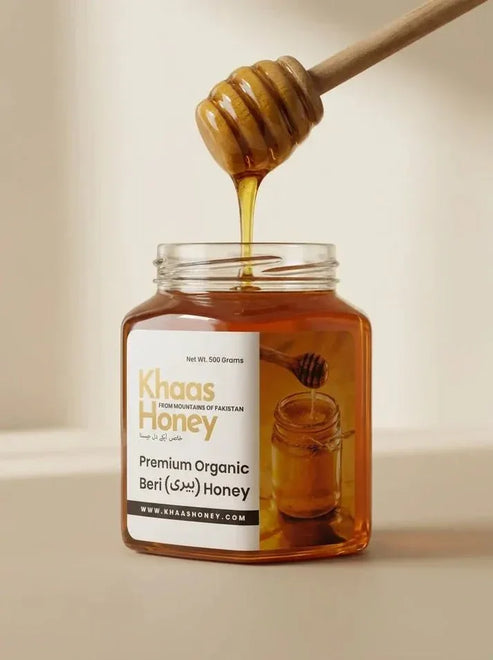
Visit Khaas Honey at https://khaashoney.com and explore our award-winning collection of 100% raw, unprocessed Sidr, Acacia, Himalayan Wildflower, and premium multifloral honeys. Every jar is lab-tested, NMR-verified, and sourced directly from pristine Pakistani valleys and trusted global apiaries. Enjoy nationwide cash-on-delivery, special discounts on first-time buyers, and the guarantee of khalis shehad with every spoonful.
Have a question or need help choosing the perfect honey?
Contact us today → https://khaashoney.com/pages/contact-us Our team replies within hours because your trust and satisfaction mean everything to us. Taste the Khaas difference – nature’s purest sweetness is just one click away! 🐝🍯